

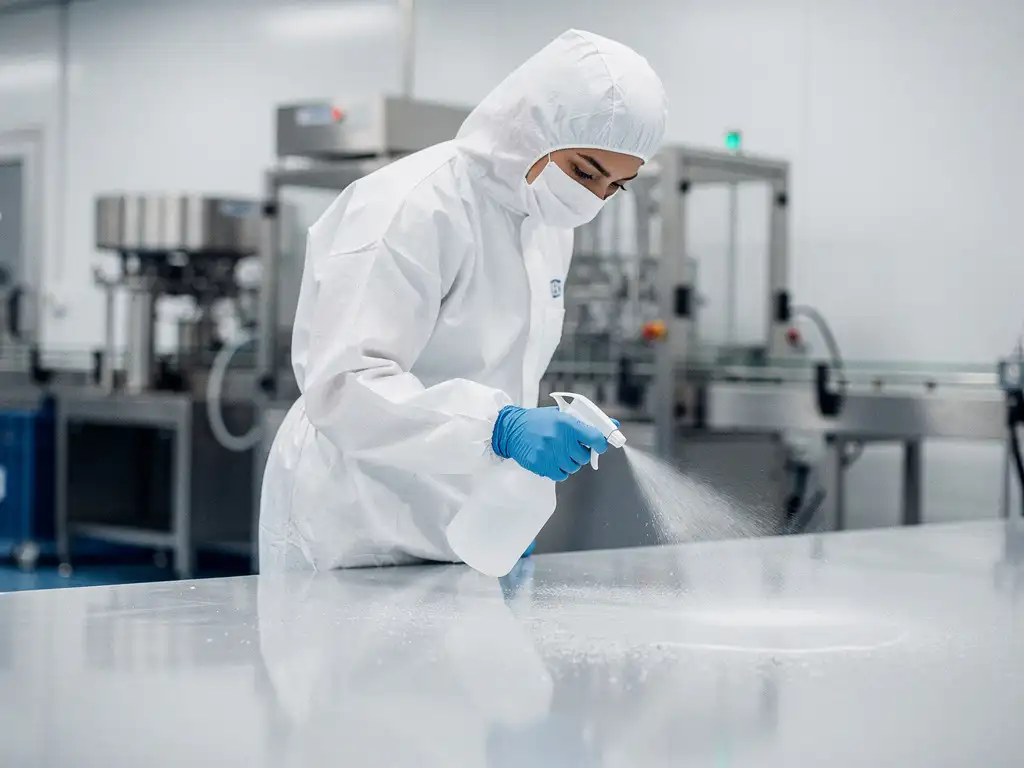
Yes, antimicrobial floor mats can meaningfully reduce chemical cleaning frequency in controlled environments. By capturing and retaining contaminants at the point of entry, these mats prevent particulates from spreading deeper into a facility, which directly reduces the burden placed on routine cleaning programmes. The sections below address the most common questions facility managers ask when evaluating this approach.
How do antimicrobial floor mats capture contaminants at entry points?
Antimicrobial floor mats capture contaminants through a combination of high-tack polymeric surface material and built-in antimicrobial protection. The mat’s surface creates a mechanical grip that lifts and retains particles from shoe soles and wheel surfaces as people and equipment pass over it, preventing those particles from travelling further into the facility.
The antimicrobial component works continuously at the surface level. Rather than simply trapping particles, the mat’s material inhibits the growth of bacteria and other microorganisms within the mat itself, reducing the risk of cross-contamination between cleaning cycles. This dual action, physical capture combined with biological suppression, is what distinguishes antimicrobial contamination control mats from passive flooring solutions.
Industry experience consistently shows that up to 80% of contaminants enter controlled environments at floor level, making entry-point capture one of the most impactful interventions a facility can make. Positioning mats at gowning room thresholds, airlock transitions, and equipment entry corridors intercepts the majority of particulate load before it reaches sensitive production or storage areas.
Do antimicrobial mats actually reduce how often you need to clean?
Antimicrobial floor mats do reduce how often chemical cleaning is required, though the degree of reduction depends on the facility’s baseline contamination load, traffic volume, and existing cleaning protocols. By intercepting contaminants before they disperse, mats reduce the particulate burden that chemical cleaning programmes are designed to address.
When fewer particles reach the floors, walls, and surfaces of a controlled zone, cleaning teams spend less time managing contamination that should have been stopped at the door. This allows facilities to extend intervals between full chemical cleans without compromising cleanliness standards, provided the mats themselves are maintained according to a defined cleaning schedule.
It is important to frame this correctly: antimicrobial mats do not eliminate the need for chemical cleaning. They reduce its frequency by acting as the first line of defence. GMP and ISO-regulated facilities will always require documented cleaning cycles, but with effective contamination control at entry points, those cycles can be optimised rather than increased to compensate for poor particulate management.
What is the difference between antimicrobial mats and standard sticky mats?
The key difference between antimicrobial contamination control mats and standard sticky mats is reusability and active biological protection. Sticky mats rely on adhesive layers that are peeled away and discarded when contaminated, offering no antimicrobial function and generating significant single-use waste. Antimicrobial mats are engineered for long-term use, with contamination-fighting properties built into the material itself.
From a performance standpoint, sticky mats lose effectiveness progressively as each layer fills with particulates, and their adhesive can fail under heavy or wheeled traffic. Antimicrobial mats maintain consistent surface performance across their lifespan and are designed to handle both pedestrian foot traffic and wheeled equipment, depending on the product specification.
There is also a meaningful operational difference. Sticky mats require frequent replacement and disposal, which adds cost and creates waste management obligations. Reusable contamination mats, by contrast, represent a more sustainable option with a significantly lower total cost of ownership over a three-to-five-year product lifespan. For regulated facilities with ESG reporting requirements, this distinction carries additional weight when justifying procurement decisions.
Which industries benefit most from reduced chemical cleaning through mat use?
Industries operating under strict contamination control regulations benefit most from using antimicrobial floor mats to reduce chemical cleaning frequency. These include pharmaceutical manufacturing, medical device production, food and beverage processing, electronics assembly, aerospace, and healthcare environments, where particulate contamination directly affects product quality, regulatory compliance, and patient or consumer safety.
In pharmaceutical and medical device facilities, GMP cleaning protocols are mandatory and audited regularly. Any validated reduction in contamination load at entry points supports a more defensible cleaning programme and reduces the risk of excursions that could trigger costly investigations or production halts.
Food and beverage manufacturers face similar pressures around hygiene standards and traceability, where surface contamination can result in product recalls or failed audits. Electronics and aerospace environments, where even microscopic particles can compromise component integrity, benefit from the consistent particulate capture that antimicrobial mats provide at cleanroom and controlled zone thresholds.
How should antimicrobial mats be positioned to maximise cleaning reduction?
To maximise the impact on cleanroom cleaning requirements, antimicrobial floor mats should be positioned at every transition point between uncontrolled and controlled zones. This includes main entry doors, gowning room exits, airlock thresholds, and any corridor connecting general facility areas to production or storage environments.
Coverage width is equally important. A mat that does not span the full width of an entry point allows personnel and equipment to bypass it, significantly reducing its effectiveness. Mats should be sized to ensure complete coverage of the traffic path, with no gaps at the edges where wheels or feet could miss the surface.
For facilities with heavy wheeled traffic, such as those using forklifts or pallet trucks, mats engineered for high-load applications should be used at loading bays and warehouse-to-production transitions. Lighter pedestrian mats are appropriate for gowning rooms and cleanroom corridors. Matching the mat specification to the traffic type ensures consistent performance and avoids premature wear that would reduce capture efficiency between cleaning cycles.
Are reusable antimicrobial mats compliant with GMP and ISO cleanroom standards?
Yes, reusable antimicrobial contamination control mats can be fully compliant with GMP and ISO cleanroom standards, provided they are manufactured to certified quality standards, validated for the application, and maintained within a documented cleaning and inspection programme. Compliance depends on both product quality and how the mats are integrated into the facility’s contamination control procedures.
Mats manufactured under EN ISO 9001- and 14001-certified processes meet the quality management requirements that regulators and auditors expect. Facilities should ensure that mat cleaning protocols are documented within their standard operating procedures, with defined frequencies, approved cleaning agents, and records of maintenance, so that the mats form a verifiable part of the overall GMP cleaning regime.
Auditors reviewing contamination control programmes increasingly look for evidence that entry-point management is systematic and validated, not ad hoc. Reusable antimicrobial mats, when properly specified and maintained, provide a consistent, auditable barrier that supports compliance rather than complicating it. Their long product lifespan and traceable manufacturing credentials make them easier to validate than disposable alternatives, which require more frequent change-out documentation.
How Dycem helps reduce chemical cleaning frequency
Dycem’s range of reusable contamination control mats is purpose-built to address the contamination challenges that drive excessive cleaning frequency in regulated facilities. Key features include:
- Biomaster antimicrobial protection built into every mat, actively suppressing microbial growth between cleaning cycles
- High-tack polymeric surface engineered to capture up to 99.9% of shoe and wheel contaminants at entry points
- Product range matched to traffic type — Dycem CleanZone for pedestrian and light-wheeled zones, Dycem WorkZone for forklifts and heavy equipment, and Dycem Floating Mats for flexible or temporary controlled areas
- Three-to-five-year product lifespan with ISO-certified manufacturing, supporting validation and audit documentation
- Washable and reusable construction, reducing single-use plastic waste compared to disposable sticky mat programmes
Dycem specialists provide consultative support from initial site assessment through to installation and ongoing maintenance guidance, ensuring mats are positioned and maintained to deliver measurable results. To find out how Dycem can help optimise your facility’s contamination control and GMP cleaning protocols, contact the team today.