

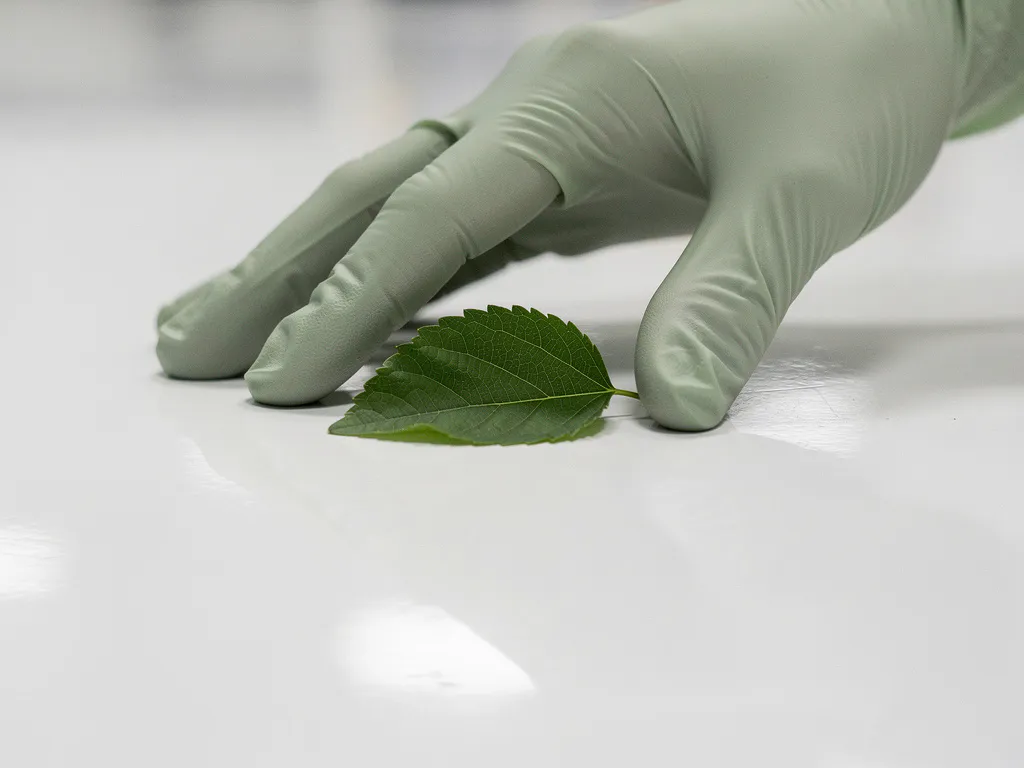
Antimicrobial technology supports facility hygiene sustainability by combining active microbial inhibition with long-term reusability, reducing both contamination risk and the environmental burden of single-use alternatives. For regulated facilities, this means fewer replacement cycles, lower waste volumes, and a more consistent hygiene baseline. The sections below address the most important questions surrounding antimicrobial mats, from how the technology functions to its compliance and cost implications.
How does antimicrobial technology actually work in contamination control?
Antimicrobial technology in contamination control mats works by embedding active agents directly into the mat material during manufacturing, so that microbial inhibition is built in rather than applied as a surface coating. Dycem mats incorporate Biomaster silver-ion technology, which continuously disrupts microbial cell function and inhibits growth by up to 99.9%, providing protection that does not wash off or degrade with routine cleaning.
Silver-ion antimicrobial technology functions at a cellular level. When microorganisms come into contact with the mat surface, silver ions interfere with their ability to replicate, effectively preventing microbial colonies from establishing on the mat itself. This is a meaningful distinction from surface-applied biocides, which lose efficacy after each cleaning cycle.
Beyond microbial inhibition, the physical properties of the mat material are equally important. Dycem’s polymeric construction creates a high-tack surface that attracts, captures, and retains particulates from shoe soles and wheels before they can be tracked further into a controlled environment. With up to 80% of contaminants entering controlled spaces at floor level, this dual action, physical capture combined with antimicrobial protection, addresses contamination at the most critical point of entry.
What makes antimicrobial mats more sustainable than disposable alternatives?
Antimicrobial reusable mats are a more sustainable option than disposable sticky mats because they are designed to perform for three to five years, eliminating the recurring material waste and procurement overhead that disposable peel-off systems generate. A single Dycem mat replaces hundreds of disposable mat layers over its operational lifetime, significantly reducing single-use plastic waste.
Disposable sticky mats require frequent replacement, often daily or weekly depending on traffic volume, which creates a continuous stream of plastic waste and ongoing supply chain dependency. Facilities managing large footprints or high-traffic entry points can generate substantial volumes of contaminated single-use material that must be disposed of, often as controlled waste.
Reusable antimicrobial mats address this directly. They are washable, maintain their contamination capture performance across thousands of cleaning cycles, and do not require consumable top layers. For organisations with active ESG commitments or sustainability reporting requirements, this reduction in single-use plastic consumption is a measurable and documentable improvement. Dycem’s manufacturing also meets EN ISO 14001 environmental management standards, and the company is targeting a 50% reduction in its own carbon footprint by 2030, meaning the sustainability credentials extend beyond the product itself to the supply chain behind it.
Which industries benefit most from antimicrobial contamination control?
Industries where contamination poses a direct risk to product integrity, patient safety, or regulatory compliance benefit most from antimicrobial contamination control. These include pharmaceutical manufacturing, medical device production, food and beverage processing, electronics, aerospace, and healthcare, where even low levels of particulate or microbial contamination can have serious operational or regulatory consequences.
In pharmaceutical and medical device environments, GMP requirements mandate strict control of cleanroom hygiene. Antimicrobial mats placed at cleanroom entrances, gowning rooms, airlocks, and critical corridors provide a validated point of contamination capture that supports ongoing compliance. Facilities producing sterile products or operating under FDA or EU GMP frameworks have particularly strong reasons to implement robust floor-level contamination control.
Food and beverage manufacturers face comparable pressures under food safety standards, where microbial contamination at production entry points can compromise batch integrity and trigger costly recalls. Electronics and aerospace facilities, meanwhile, deal with particulate contamination that can affect precision components and assemblies, where even microscopic debris can cause product failure. In all of these sectors, antimicrobial contamination control mats serve both a hygiene function and a compliance function, making them relevant to quality managers, EHS leads, and facilities teams alike.
How do antimicrobial mats support regulatory compliance and audit readiness?
Antimicrobial mats support regulatory compliance by providing a documented, consistent, and validated contamination control measure at facility entry points, which is a requirement under GMP, ISO cleanroom standards, and food safety frameworks. Their reusable design, combined with ISO-certified manufacturing, makes them easier to validate and audit than disposable alternatives that require frequent change records and variable performance documentation.
For quality and compliance managers preparing for regulatory inspections, the ability to demonstrate a consistent contamination control programme is essential. Antimicrobial mats offer a stable, repeatable performance baseline. Because they are manufactured under EN ISO 9001 quality management standards and meet EU REACH and California Proposition 65 compliance requirements, they arrive with a documented quality and safety profile that supports internal validation processes.
Disposable mat systems, by contrast, introduce variability. The effectiveness of a peel-off mat depends on how recently it was changed, whether the correct number of layers remain, and whether staff have followed the correct procedure. Reusable antimicrobial mats remove this variability by maintaining consistent surface performance between scheduled cleaning cycles, which simplifies both internal audits and external regulatory inspections. For facilities operating under GMP compliance frameworks, this consistency is not a convenience; it is a compliance requirement.
What is the long-term cost impact of switching to antimicrobial reusable mats?
Switching to antimicrobial reusable mats reduces total cost of ownership by eliminating the recurring expenditure associated with disposable mat consumption, including procurement, storage, handling, and waste disposal. Over a three to five year product lifespan, the cost differential between a reusable mat programme and a disposable sticky mat system is substantial, particularly in high-traffic or multi-entry-point facilities.
The direct cost comparison is straightforward: disposable mats require continuous replenishment, whereas reusable antimicrobial mats represent a single capital investment that performs across thousands of cleaning cycles. However, the indirect cost savings are equally significant. Facilities that rely on disposable mats must manage stock levels, handle contaminated waste in compliance with local regulations, and absorb the labour time associated with frequent mat changes.
There is also a risk cost to consider. Contamination events, whether they result in product recalls, batch failures, or regulatory findings, carry financial consequences that far exceed the cost of any contamination control programme. Reusable antimicrobial mats that consistently capture up to 99.9% of shoe and wheel contaminants at entry points reduce the probability of contamination reaching critical areas, which in turn reduces the exposure to these downstream costs. For procurement and operations leaders evaluating total cost of ownership, the combination of reduced consumable spend, lower waste management overhead, and reduced contamination risk makes the business case for reusable antimicrobial mats clear.
How Dycem supports facility hygiene and sustainability
Dycem’s range of reusable contamination control mats is engineered to address the hygiene, compliance, and sustainability challenges described throughout this article. Key capabilities include:
- Biomaster silver-ion antimicrobial protection built into every mat, inhibiting microbial growth by up to 99.9%
- Physical particulate capture of up to 99.9% of shoe and wheel contaminants at facility entry points
- Three to five year product lifespan, replacing hundreds of disposable mat cycles and reducing single-use plastic waste
- ISO-certified manufacturing meeting EN ISO 9001, EN ISO 14001, EU REACH, and California Proposition 65 standards
- Solutions for every zone, including CleanZone for pedestrian and light-wheeled traffic areas, WorkZone for heavy industrial traffic, and Floating Mats for flexible or temporary configurations
- Customisable formats to suit complex facility layouts, traffic flows, and cleanroom entry configurations
Dycem contamination control specialists are available worldwide to support facilities through an initial consultation and free site survey, helping organisations identify the right solution for their specific environment. To find out how Dycem can support your facility’s hygiene and sustainability objectives, contact the Dycem team today.