

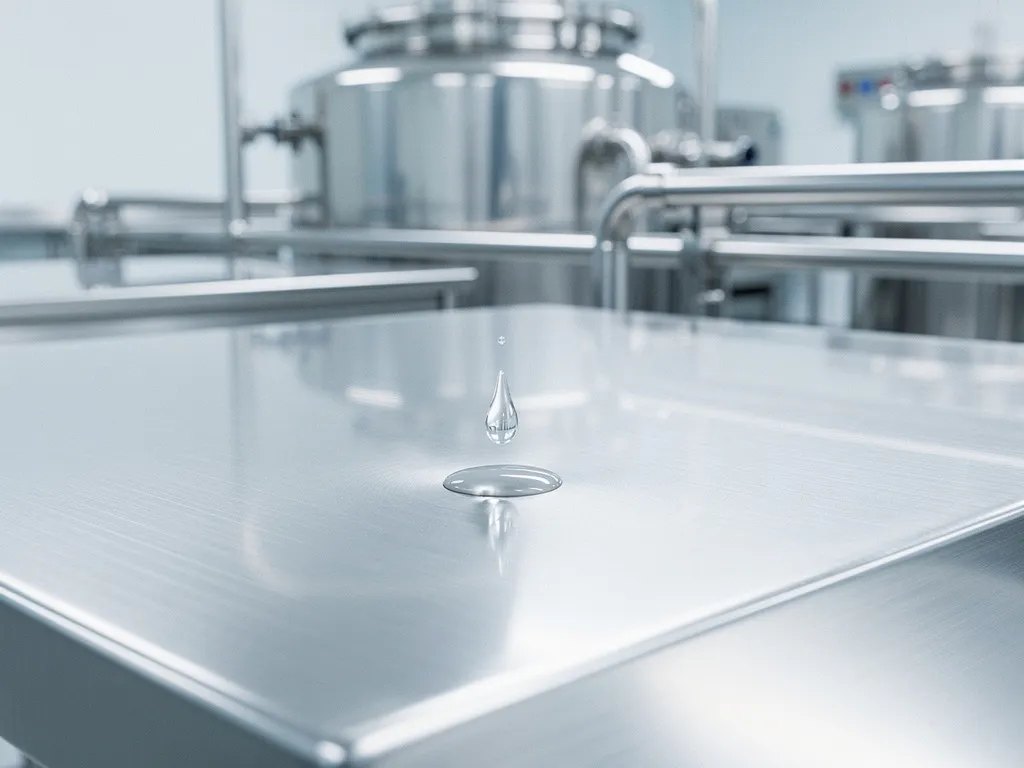
The greatest contamination risks in food and beverage plants come from biological agents such as bacteria, moulds, and allergens, alongside physical contaminants including foreign bodies introduced through foot traffic, equipment, and raw material handling. These risks are compounded by the scale and complexity of food manufacturing environments, where production lines, logistics areas, and personnel entry points all create potential pathways for contamination. The sections below address the most critical questions quality and facilities managers face when evaluating contamination risk across their sites.
How do contaminants enter food and beverage facilities?
Contaminants enter food and beverage facilities primarily through foot traffic, wheeled equipment, raw material deliveries, and airborne particles. Research consistently shows that around 80% of contaminants in controlled environments are introduced at floor level, carried in on footwear and wheels from external or lower-hygiene zones into production and processing areas.
Personnel movement is one of the most persistent entry routes. Every time a member of staff crosses from a corridor, loading bay, or external area into a production zone, they risk transferring particulates, biological matter, and chemical residues on the soles of their shoes. Similarly, forklifts, pallet trucks, and trolleys routinely travel between warehousing and production areas, carrying contamination across zone boundaries on their wheels.
Airborne contamination also plays a significant role, particularly in open processing environments where dust, mould spores, and allergen particles can travel considerable distances. Raw materials arriving from suppliers introduce a further variable, as packaging, soil, and organic debris can shed contaminants at intake points before proper segregation controls take effect.
Understanding these entry pathways is the foundation of any effective contamination control strategy in food manufacturing.
What are the most common biological contaminants in food plants?
The most common biological contaminants in food plants are bacteria, moulds, yeasts, and allergen residues. Pathogens such as Listeria monocytogenes, Salmonella, and Escherichia coli are among the highest-risk organisms, capable of causing serious illness and triggering mandatory product recalls or facility shutdowns when detected in finished goods or on contact surfaces.
Listeria is a particular concern in ready-to-eat food environments because it can survive and proliferate in cold, damp conditions, including drains, floor joints, and equipment bases. Its ability to form biofilms on surfaces makes it especially difficult to eradicate once established. Salmonella is more commonly associated with raw poultry and egg processing but can spread throughout a facility if hygiene barriers at zone transitions are not rigorously maintained.
Mould contamination poses a risk in bakery, dairy, and fermentation environments, where airborne spores can settle on exposed product or packaging. Allergen cross-contact, while not a biological contaminant in the traditional sense, carries equivalent regulatory and commercial consequences. Traces of peanuts, tree nuts, gluten, or dairy introduced through shared equipment or inadequate zone separation can render entire batches non-compliant and unsafe for sensitive consumers.
What physical contaminants cause the most product recalls?
Physical contaminants responsible for the most product recalls in food manufacturing include metal fragments, plastic pieces, glass, bone, and foreign bodies such as packaging material or pest debris. Metal contamination from worn machinery components is among the most frequently cited causes of recalls, as fragments can pass through production lines undetected without adequate inline detection systems.
Plastic contamination has grown as a concern in recent years, partly due to the widespread use of single-use plastics in food packaging and processing environments. Fragments from damaged containers, conveyor belting, or cleaning equipment can shed into open product streams. Glass contamination, though less common in modern facilities that have moved toward shatterproof materials, remains a risk wherever glass instruments, lighting, or viewing panels are present near exposed product.
Foreign body contamination introduced at entry points is frequently overlooked. Soil, grit, and particulates carried in on footwear or equipment wheels can accumulate in production areas over time, increasing the probability of product contact. Robust entry-point controls are essential to reducing this source of physical contamination before it reaches critical zones.
Which areas of a food plant carry the highest contamination risk?
The highest contamination risk areas in a food plant are entry and transition points, raw material intake zones, processing areas with open product, and any location where hygiene zone boundaries are crossed. These are the areas where contamination is most likely to be introduced, transferred, or allowed to accumulate if controls are insufficient.
Entry points such as personnel access doors, gowning areas, and loading bays are critical because they represent the boundary between the external environment and controlled production space. Without effective decontamination measures at these thresholds, every person and piece of equipment entering the facility becomes a potential contamination vector.
Open processing areas, where product is exposed during cutting, mixing, filling, or portioning, carry elevated risk because airborne particles and surface-borne contaminants have direct access to food. Drains, floor junctions, and areas of standing water are also high-risk zones, as moisture creates conditions in which pathogens such as Listeria can establish and persist.
Cold storage and chilled processing environments deserve particular attention. Temperature management may suppress some microbial growth, but psychrotrophic organisms thrive in exactly these conditions, making hygiene discipline at zone entry points even more important.
How do contamination control mats reduce risk at entry points?
Contamination control mats reduce risk at entry points by physically capturing and retaining particulates, biological matter, and debris from the soles of footwear and the wheels of equipment before they can be transferred into controlled production zones. Effective mats work through a combination of mechanical adhesion and surface texture designed to trap contaminants rather than simply dislodge them.
Reusable polymeric mats engineered for food manufacturing environments offer a significant performance advantage over disposable peel-off alternatives. Rather than requiring frequent replacement and generating single-use plastic waste, high-performance reusable mats maintain their capture efficiency over a lifespan of three to five years when properly maintained. Antimicrobial technology built into the mat material further inhibits microbial growth on the mat surface itself, preventing the mat from becoming a secondary contamination source.
At pedestrian entry points such as gowning room thresholds and cleanroom corridors, correctly specified mats intercept contamination at the moment of highest risk. For facilities with heavy wheeled traffic, mats engineered for forklifts and pallet trucks extend this protection into logistics and warehousing zones where conventional pedestrian mats would be inadequate.
What contamination control standards apply to food and beverage manufacturers?
Food and beverage manufacturers are subject to a range of contamination control standards depending on their market, product type, and geography. The most widely applicable frameworks include Hazard Analysis and Critical Control Points (HACCP), the British Retail Consortium Global Standard for Food Safety (BRCGS), the International Featured Standards (IFS), and the Safe Quality Food (SQF) programme. In the United States, the Food Safety Modernization Act (FSMA) sets mandatory preventive controls for human food facilities.
HACCP is the foundational methodology, requiring manufacturers to identify critical control points where contamination risk is greatest and to implement validated controls at each point. Entry zones, personnel hygiene stations, and raw material intake areas typically feature as critical control points in HACCP plans, making entry-point contamination control a compliance requirement rather than an optional measure.
BRCGS and IFS certification are increasingly required by major retailers and foodservice customers as conditions of supply. Both standards include detailed requirements for hygiene zoning, personnel movement controls, and the management of physical and biological contamination risks. Facilities seeking or maintaining these certifications must demonstrate that their contamination control measures are documented, validated, and consistently applied.
ISO 22000, the international food safety management standard, provides a globally recognised framework that integrates HACCP principles with broader management system requirements, making it relevant for manufacturers supplying international markets.
How Dycem helps with contamination control in food and beverage plants
Dycem’s reusable contamination control mats are purpose-built to address the entry-point risks that food and beverage manufacturers face every day. Trusted by global food and beverage producers, Dycem mats deliver consistent, validated performance across the most demanding facility environments. Key benefits include:
- Up to 99.9% particulate capture from footwear and wheeled equipment at zone entry points
- Biomaster silver-ion antimicrobial technology built into every mat, inhibiting microbial growth on the mat surface by up to 99.9%
- A 3 to 5 year product lifespan, eliminating the recurring cost and waste of disposable peel-off mats
- Customisable formats including CleanZone for pedestrian and light-wheeled areas and WorkZone for heavy forklift and pallet truck traffic
- ISO-certified manufacturing compliant with EN ISO 9001 and 14001, California Proposition 65, and EU REACH regulations
- Reduced single-use plastic waste, supporting ESG commitments and sustainability targets
Whether you are managing a HACCP plan, preparing for a BRCGS audit, or looking to replace an underperforming disposable mat programme, Dycem’s specialists can assess your facility and recommend the right solution. Contact Dycem today to arrange a free site survey and consultation.