

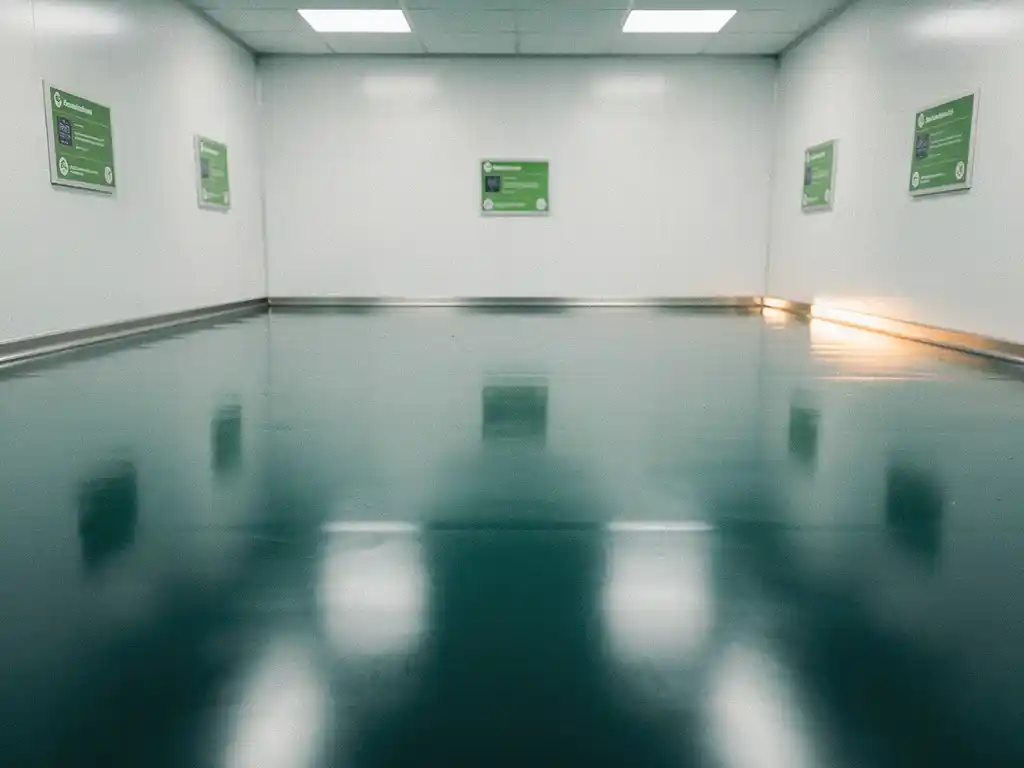
Product durability directly affects a facility’s sustainability score by reducing the volume of waste generated, lowering the frequency of replacements, and cutting the resource consumption associated with manufacturing and disposing of short-lived products. The longer a product performs reliably, the smaller its total environmental footprint. For regulated facilities managing contamination control, this relationship between durability and sustainability is especially consequential.
Across industries such as pharmaceuticals, food production, electronics, and aerospace, the materials used at every entry point, workstation, and controlled zone accumulate into a significant environmental ledger. Choosing products engineered for long-term performance is one of the most direct ways a facility can improve its sustainability standing while also reducing operational costs. The sections below address the most common questions facilities ask when evaluating how product lifespan and environmental impact connect.
How is a facility’s sustainability score actually calculated?
A facility’s sustainability score is calculated by measuring its environmental impact across several dimensions, including waste generation, energy consumption, carbon emissions, water use, and supply chain practices. Most frameworks, such as ISO 14001, GHG Protocol reporting, or internal ESG scorecards, assess both direct operational impact and the indirect footprint of the products and materials a facility procures and disposes of.
For facilities operating in regulated industries, sustainability scoring often sits within a broader ESG framework that is reported to investors, auditors, or regulatory bodies. The key inputs typically include:
- Waste volume: How much material is sent to landfill or incineration, including single-use consumables
- Carbon emissions: Direct emissions from operations and indirect emissions from purchased goods and services
- Resource efficiency: How effectively materials, water, and energy are used across the facility
- Supplier compliance: Whether procurement choices align with environmental standards such as EU REACH or California Proposition 65
- Reuse and circularity: The proportion of reusable versus single-use materials in daily operations
Product durability feeds directly into several of these categories. A product with a three-to-five-year lifespan generates far less waste, requires fewer replacement orders, and reduces the manufacturing energy embedded in the supply chain compared with a product replaced weekly or monthly. For facilities trying to improve their sustainability score, the procurement decisions they make about everyday consumables carry more weight than many realise.
How does product lifespan reduce a facility’s waste output?
Product lifespan reduces waste output by extending the interval between replacements, which directly lowers the volume of material discarded over time. A product that lasts three to five years replaces dozens of short-lived alternatives, each of which would otherwise be manufactured, packaged, transported, and disposed of. Every replacement cycle avoided is a cycle of waste, emissions, and resource use that never happens.
In contamination control specifically, this effect is pronounced. Disposable sticky mats are typically replaced daily or weekly, depending on traffic levels. A single high-traffic entry point can generate hundreds of used mat layers per year. Multiplied across a facility with multiple entry points, gowning rooms, and corridors, the cumulative waste output is substantial. Switching to a reusable mat engineered for multi-year performance eliminates that recurring waste stream almost entirely.
Beyond the physical waste, there are secondary environmental costs to consider. Each replacement involves packaging, shipping, and the energy embedded in manufacturing. A durable product compresses all of those inputs into a single procurement event rather than dozens. For facilities tracking their total environmental footprint, this compression effect can produce meaningful improvements in annual waste and carbon reporting.
What’s the difference between disposable and reusable contamination control mats for sustainability?
The core sustainability difference between disposable and reusable contamination control mats is their end-of-life profile. Disposable sticky mats are single-use by design, generating plastic waste with every replacement cycle. Reusable mats are washable, maintained in place, and engineered to perform for years, producing a fraction of the waste over the same period.
Disposable peel-off sticky mats are widely used because they are familiar and have a low upfront cost. However, their sustainability profile is poor. Each mat layer is made from plastic-coated adhesive sheeting that cannot be recycled in most municipal waste streams. Facilities relying on these products generate significant volumes of single-use plastic waste, which conflicts directly with ESG commitments and sustainability reporting targets.
Reusable contamination control mats, by contrast, are built from polymeric materials that can be cleaned, maintained, and returned to service repeatedly. This approach minimises single-use plastic consumption and supports a facility’s broader ESG goals without compromising contamination performance. The environmental advantage compounds over time: the longer the product remains in service, the greater the gap in waste output between the two approaches.
There is also a compliance dimension. As regulatory pressure around single-use plastics increases in both the EU and North America, facilities that have already transitioned to reusable solutions are better positioned for future requirements. Choosing the more sustainable option now reduces the risk of being forced into a reactive switch later.
How does total cost of ownership relate to environmental impact?
Total cost of ownership and environmental impact are closely linked because the same factors that drive long-term cost down—durability, reduced replacement frequency, and lower logistics burden—also drive environmental impact down. A product with a higher upfront cost but a three-to-five-year lifespan will typically outperform a cheaper, short-lived alternative on both financial and environmental measures over time.
When facilities calculate total cost of ownership for contamination control products, they often find that the recurring costs of disposable alternatives—purchasing, storage, labour for replacement, and waste disposal—far exceed the initial investment in a durable solution. The environmental accounting follows the same logic. Each cost event in the disposable model corresponds to an environmental event: manufacturing, packaging, transport, and disposal.
For procurement and operations leaders, this alignment between cost efficiency and environmental performance is significant. It means that optimising for total cost of ownership is not in tension with sustainability objectives. It actively supports them. Facilities that can demonstrate this alignment in their supplier selection process strengthen both their financial case and their ESG reporting simultaneously.
In industries where contamination control is a compliance requirement, the cost of a contamination event, including product loss, regulatory penalties, and reputational damage, must also factor into the ownership calculation. Durable, high-performance solutions reduce not only waste but also the risk of failure that leads to those downstream costs.
Which industries benefit most from durable contamination control solutions?
Industries that operate in regulated, precision-sensitive environments benefit most from durable contamination control solutions. These include pharmaceutical manufacturing, medical device production, food and beverage processing, electronics assembly, aerospace, and automotive manufacturing. In each of these sectors, contamination carries consequences that extend well beyond inconvenience, affecting product integrity, regulatory compliance, and operational continuity.
In pharmaceutical and medical device facilities, contamination control is a GMP and FDA compliance requirement. Durable, validated solutions reduce audit risk and provide consistent performance across inspection cycles. In food and beverage production, contamination at entry points can compromise hygiene standards and trigger costly recalls. In electronics and semiconductor manufacturing, even microscopic particulates can render components unusable.
Aerospace and automotive facilities face similar precision requirements, where particulate contamination at the manufacturing stage can affect component performance and safety certification. Across all of these environments, the value of a contamination control solution is measured not just by upfront performance but by how reliably it performs over time without requiring constant replacement or intervention.
Durability in these contexts is not a premium feature. It is a functional requirement. A solution that degrades, loses adhesion, or requires frequent replacement introduces variability into a controlled environment, which is precisely what these industries are designed to prevent.
What should facilities look for when evaluating a product’s durability claims?
When evaluating durability claims, facilities should look for independently verifiable performance data, manufacturing certifications, defined lifespan specifications, and evidence of performance under conditions that match their own operational environment. Vague claims about long-lasting performance without supporting evidence should be treated with caution.
Specific factors worth examining include:
- Stated lifespan with conditions: A credible durability claim specifies how long the product performs and under what traffic volume, cleaning regime, and environmental conditions
- Manufacturing standards: ISO 9001 certification indicates that production processes are consistently controlled, which underpins reliable product performance
- Environmental compliance: Certifications such as EU REACH and California Proposition 65 compliance confirm that the materials used meet recognised standards for safety and environmental responsibility
- Antimicrobial performance data: For contamination control applications, built-in antimicrobial protection should be quantified, not just described
- Washability and maintenance guidance: Reusable products should come with validated cleaning protocols that maintain performance without degrading the material
- Real-world application evidence: Case studies, site surveys, or technical consultations that demonstrate performance in comparable facilities carry more weight than general marketing claims
Facilities should also consider whether the supplier offers a consultative approach to product selection. A supplier willing to conduct a site assessment and tailor a solution to specific traffic flows, entry points, and facility layouts demonstrates confidence in their product’s real-world performance. That consultative process is itself a signal of durability credibility.
How Dycem helps facilities improve sustainability through durable contamination control
Dycem’s reusable contamination control mats are engineered specifically to address the sustainability and performance challenges described throughout this article. Key attributes include:
- 3 to 5 year product lifespan, dramatically reducing waste output compared to disposable alternatives
- Biomaster silver-ion antimicrobial technology, inhibiting microbial growth by up to 99.9% throughout the product’s working life
- Capture of up to 99.9% of shoe and wheel contaminants, maintaining contamination control performance without daily replacement
- ISO 9001 and ISO 14001 certified manufacturing, with compliance to EU REACH and California Proposition 65
- Reusable polymer construction that minimises single-use plastic waste and supports ESG reporting goals
- Customisable formats including CleanZone, WorkZone, and Floating Mats to suit any facility layout, traffic type, or controlled zone requirement
Dycem’s contamination control specialists offer free site surveys and consultations to help facilities identify the right solution for their environment, entry points, and compliance requirements. To find out how Dycem can support your facility’s sustainability and contamination control objectives, contact the Dycem team today.